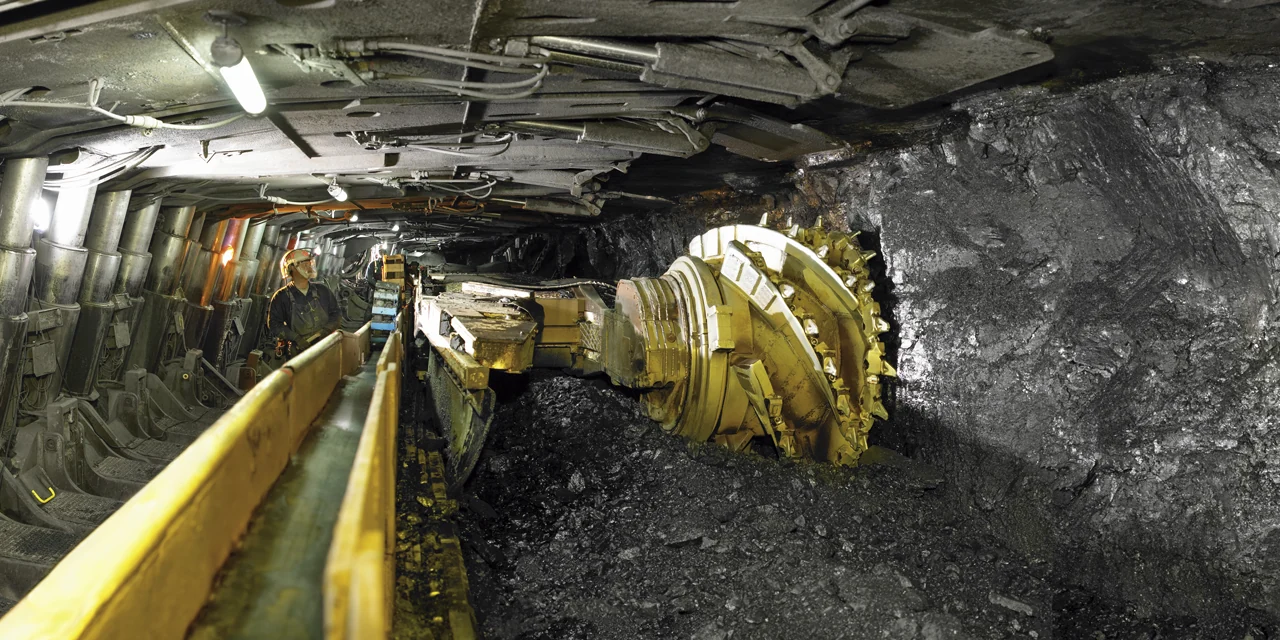
Three miners killed in the Zonguldak explosion
Three miners were killed and five injured in an explosion at a private coal mine in Gelik, in Türkiye’s Zonguldak province, on 23 October 2026. Euronews’ updated report cites local authorities confirming the death of the miner who had initially remained trapped. Two of the injured were reported to be in serious condition. [G1]
The blast occurred at approximately 10 a.m. Authorities described a firedamp explosion, involving flammable mine gas. Emergency teams, including the disaster-response agency AFAD, were deployed. An investigation was opened to establish the exact cause. [G1]
A description of the explosion as gas-related does not establish the ignition source, the ventilation conditions or whether particular equipment or procedures failed. Those questions require investigation evidence.
Control the atmosphere before workers are exposed
Underground coal mining requires an integrated system of ventilation, atmospheric monitoring and ignition control. A detector can identify a hazard, but it cannot by itself remove gas, keep equipment suitable for the environment or organise a safe withdrawal.
The International Labour Organization’s code of practice for underground coalmines covers risk assessment, explosions, fires, mine design, competence and emergency preparedness. Its preventive principles provide a reference for reviewing underground work; they do not establish what happened at Gelik. [G2]
- Maintain designed ventilation: competent specialists should assess airflow through active workings and the effect of changes, damage or interruption.
- Use suitable monitoring: select, position, maintain and test instruments for the relevant gases and locations.
- Define the response to readings: alarms must connect to approved stop-work, withdrawal and isolation procedures, with responsibilities understood before entry.
- Control ignition sources: assess equipment, maintenance and work activities against the requirements for the hazardous environment.
- Prepare specialist rescue: maintain communications, personnel records, escape arrangements and access to trained mine-rescue resources.
Do not turn a rescue into a second emergency
After an underground explosion, the atmosphere and ground conditions may remain dangerous. Unplanned entry by colleagues or bystanders can add casualties. Rescue decisions belong to the designated command structure and trained teams equipped for the conditions.
For mining employers and contractors in Cameroon and West Africa, the operational question is whether monitoring, ventilation and withdrawal arrangements work together on every shift. Lessons about gas hazards may also inform other hazardous workplaces, but coal-mine procedures must not be copied into confined-space or process operations without a task-specific assessment.
Further verified information will be communicated through this article in due course. Safety and Quality Management Institute is committed to promoting the health and safety of workers around the world.
Quick checklist
- Are ventilation and atmospheric monitoring checked by competent personnel?
- Do gas alarms connect to understood withdrawal and isolation procedures?
- Are communications, personnel records and specialist rescue resources ready?
Common questions
- What happened at the Gelik coal mine?
- An explosion occurred at a private coal mine in Gelik, Zonguldak, on 23 October 2026. Euronews’ updated report cited three deaths and five injuries.
- Does a firedamp description establish the full cause?
- No. Authorities described flammable mine gas, but the ignition source, ventilation conditions and any equipment or procedural failures require investigation evidence.
Sources and further reading
- [G1] Euronews, updated 23 October 2026 — Trapped miner in coal mine in Turkey confirmed dead, bringing death toll to three
- [G2] International Labour Organization — Safety and health in underground coalmines
- [G2] International Labour Organization — code of practice
- Photo: Peabody Energy, Inc. / Wikimedia Commons — CC BY-SA 4.0
- Photograph licence: CC BY-SA 4.0 (resized, converted to WebP)

This article is general guidance for awareness. Apply it through your own site-specific risk assessment and the laws and standards that apply where you work.